

 Image 1 of 3
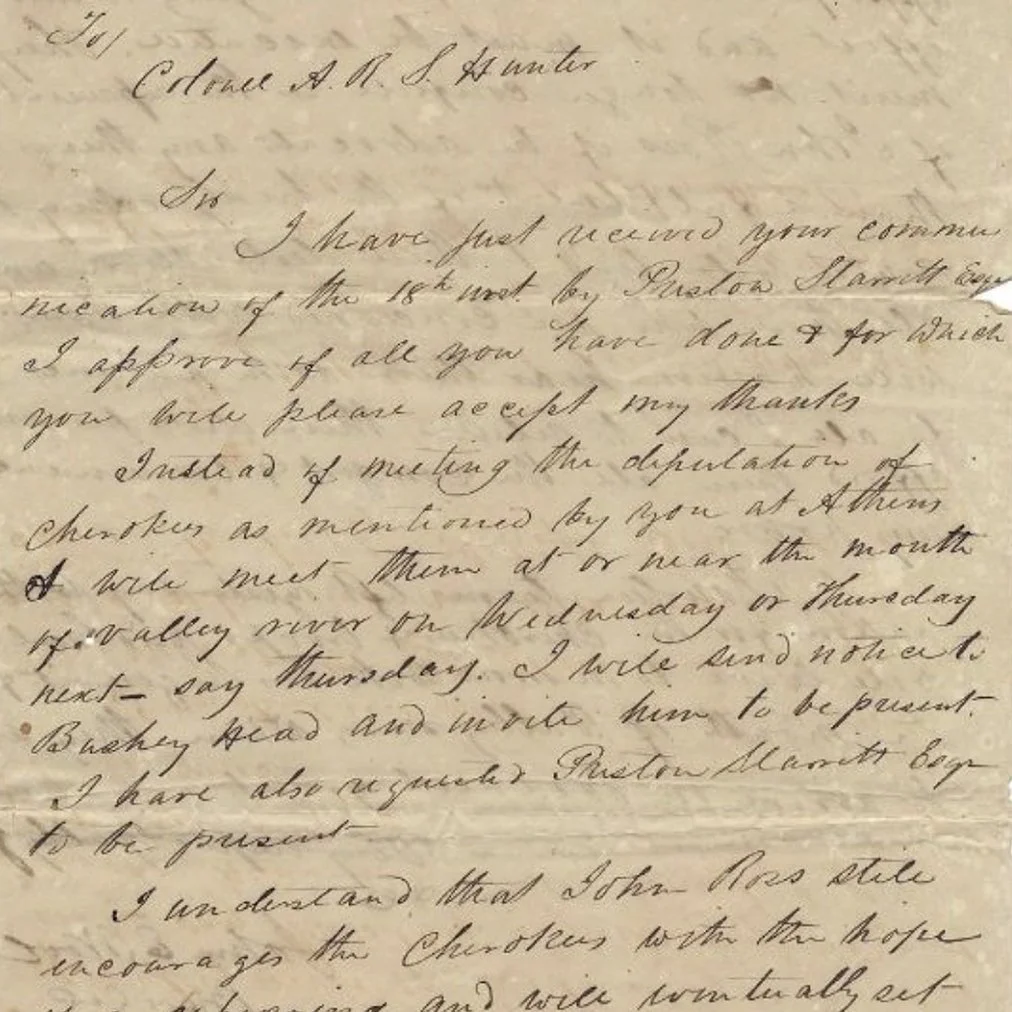 Image 2 of 3
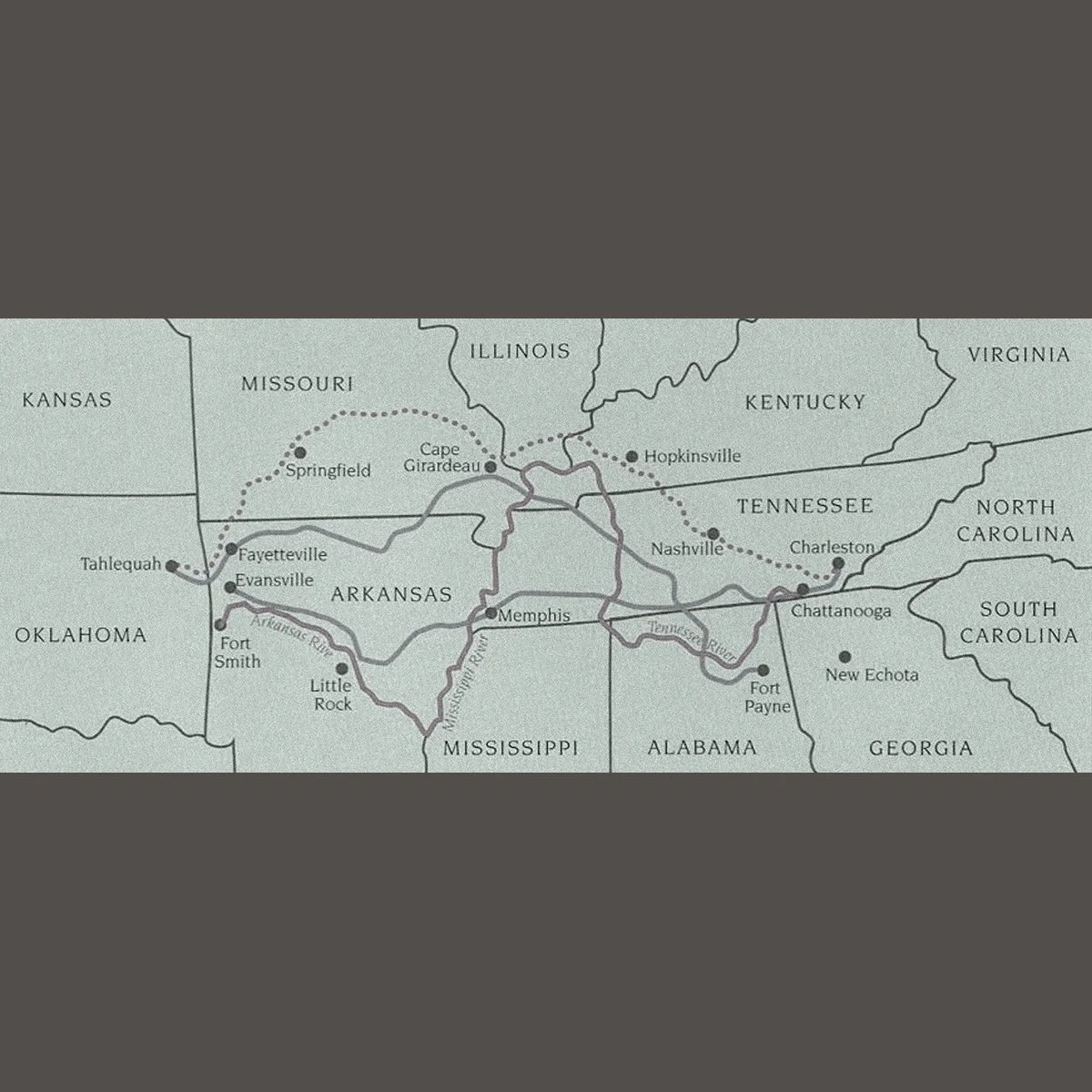 Image 3 of 3
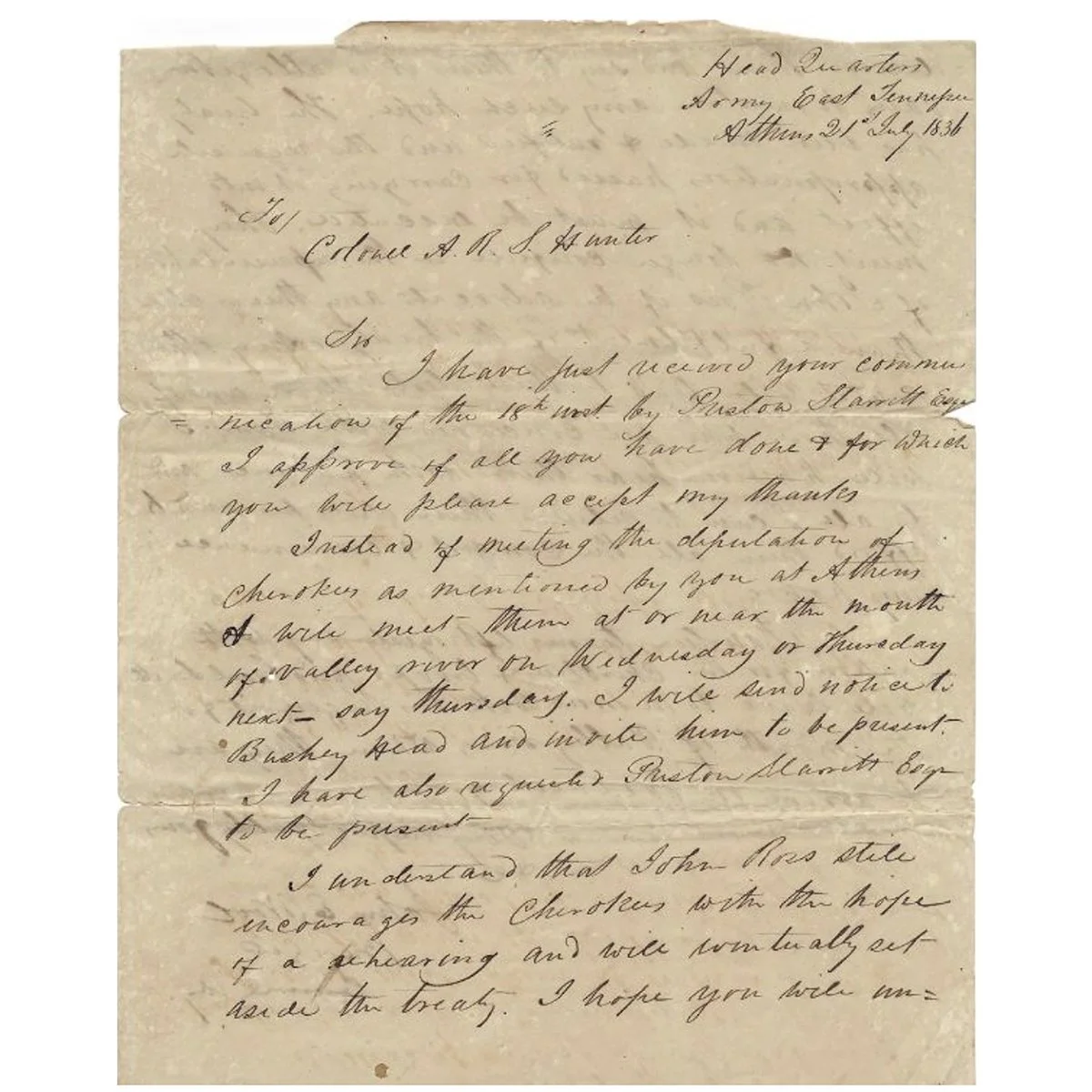
General John Wool, in charge of Cherokee removal, writes from Tennessee: “John Ross still encourages the Cherokees with the hope of a rehearing and will eventually set aside the treaty…the treaty has been made & ratified and the requisite appropriations passed for carrying it into effect and it must be executed…any other course will lead to their destruction and of all those who are concerned with them…”.
Three Letters:
JOHN WOOL. (1784-1869). Wool, a Union general, first fought in the War of 1812, the Mexican War, and the Civil War. In 1836, Wool arrived in Athens, Tennessee to help coordinate the Cherokee Removal under the Treaty of New Echota. While he was determined to move the nation, he also created policies to protect their lives, property, and rights. Wool annoyed local authorities who successfully sought to reassign him but was later exonerated by a court of inquiry.
TREATY OF NEW ECHOTA. The Treaty of New Echota was signed on December 29, 1835, in New Echota, Georgia; this was the capital of the Cherokee Nation. The treaty, done between the United States government (under President Andrew Jackson) and the Cherokee Nation, was not approved by either Chief John Ross or the Cherokee National Council, but the Nation ceded its territory throughout Georgia, Tennessee, North Carolina, and Alabama in exchange for $5 million.
THE TRAIL OF TEARS. The Trail of Tears was the forced relocation of the Cherokee Nation from their ancestral homelands in the Georgia / Alabama / North Carolina / Tennessee region to the future State of Oklahoma. Some 100,000 members of the tribes of the Cherokee, Choctaw, Chickasaw, Creek, and Seminole moved over 1,000 miles west, mostly on foot. The removal largely took place between 1836 and 1839, and historical estimates are a quarter of the Cherokee Nation died on the forced voyage.
General John Wool, in charge of Cherokee removal, writes from Tennessee: “John Ross still encourages the Cherokees with the hope of a rehearing and will eventually set aside the treaty…the treaty has been made & ratified and the requisite appropriations passed for carrying it into effect and it must be executed…any other course will lead to their destruction and of all those who are concerned with them…”.
Three Letters:
JOHN WOOL. (1784-1869). Wool, a Union general, first fought in the War of 1812, the Mexican War, and the Civil War. In 1836, Wool arrived in Athens, Tennessee to help coordinate the Cherokee Removal under the Treaty of New Echota. While he was determined to move the nation, he also created policies to protect their lives, property, and rights. Wool annoyed local authorities who successfully sought to reassign him but was later exonerated by a court of inquiry.
TREATY OF NEW ECHOTA. The Treaty of New Echota was signed on December 29, 1835, in New Echota, Georgia; this was the capital of the Cherokee Nation. The treaty, done between the United States government (under President Andrew Jackson) and the Cherokee Nation, was not approved by either Chief John Ross or the Cherokee National Council, but the Nation ceded its territory throughout Georgia, Tennessee, North Carolina, and Alabama in exchange for $5 million.
THE TRAIL OF TEARS. The Trail of Tears was the forced relocation of the Cherokee Nation from their ancestral homelands in the Georgia / Alabama / North Carolina / Tennessee region to the future State of Oklahoma. Some 100,000 members of the tribes of the Cherokee, Choctaw, Chickasaw, Creek, and Seminole moved over 1,000 miles west, mostly on foot. The removal largely took place between 1836 and 1839, and historical estimates are a quarter of the Cherokee Nation died on the forced voyage.