Yimam tribe, Korewori River, Sepik Region, Papua New Guinea
Early 20th century
Garamut hardwood (vitex cofassus), traces of natural pigments
Height: 68 inches (173 cm)
Provenance: Field collected in situ by botanist Patsy Button in 1972
Revered by Western artists and collectors for their radically stylized conception of the human form, the distinctive one-legged hook figures or yipwon, of the Korewori River region caused a sensation when the first examples reached the West in the late 1950’s. Depicting primordial ancestral spirits, these distinctive hook figures created by the Yimam people, played an essential role in ensuring success in both hunting and warfare. The yipwon, when supernaturally activated with ritual offerings, served as a potent vessel into which the spirits were called to inhabit before the commencement of a hunt or raid. The spirit of the yipwon would then journey into the night to slay the souls of the intended game or human enemies, enabling the men to easily dispatch their targets the following morning. If the yipwon proved triumphant, the men showed their gratitude by ritually offering it a portion of the game or blood from the enemy.
Of classic form, the yipwon presented here reveals elements of both the internal and external anatomy of the supernatural ancestor it embodies. The broad spine of the figure supports a series of opposing concentric hooks, representing stylized ribs, that frame a central projecting element symbolizing the heart. The figure is centered and supported atop a singular muscular leg and foot, above which a discreet yimar motif of concentric circles is carved upon the knee. The head of the yipwon is framed above by an arched summit crest, with a single stylized arm reaching out to touch the chin. The spirit’s masculine visage is powerfully carved with an aggressive prognathous profile, its pronounced brow ridge also adorned with a pair of circular yimar motifs, revealing the deep cultural context infused into the sculpture. Belonging to the corpus of important clan sized “great yipwons”, the sculpture is carved from dense, heavy garamut hardwood (vitex cofassus) demonstrating the artists intent that this yipwon survive for generations among the Yimam. Indeed, the sculpture has developed a time-worn patina resulting from many decades of ritual use and care within the Yimam community men’s house. This exceptional yipwon was collected in situ along the Korewori River by the American botanist Patsy Button in 1972, during her botanical field surveys in New Guinea, accompanied by her husband. Initially brought to New York, it found its residence in their Connecticut home for many years, before being relocated to their South Florida home, where it remained until 2023.
With their radical reconfiguration of the human figure, many scholars consider the yipwon figures of the Korewori to be true precursors of modern sculpture, including Henry Moore’s iconic “Three Points” (1939-40) and Alberto Giacometti’s variations of “Woman Standing” (1950-58), both sets of works curiously predating the profound arrival of yipwon figures in the West. The first image of a yipwon figure however first publicly appeared earlier in 1929, as part of an extensive report on Papua New Guinea in the widely distributed National Geographic magazine. That photograph was taken by the German missionary and ethnographer Father Franz Kirschbaum of the Society of the Divine Word, who was responsible for assembling much of the Vatican’s collection of New Guinea art, and who can also to be credited with introducing the Western world to the remarkable yipwon, and so perhaps influencing the course of modern sculpture.
INQUIRE HERE
Yimam tribe, Korewori River, Sepik Region, Papua New Guinea
Early 20th century
Garamut hardwood (vitex cofassus), traces of natural pigments
Height: 68 inches (173 cm)
Provenance: Field collected in situ by botanist Patsy Button in 1972
Revered by Western artists and collectors for their radically stylized conception of the human form, the distinctive one-legged hook figures or yipwon, of the Korewori River region caused a sensation when the first examples reached the West in the late 1950’s. Depicting primordial ancestral spirits, these distinctive hook figures created by the Yimam people, played an essential role in ensuring success in both hunting and warfare. The yipwon, when supernaturally activated with ritual offerings, served as a potent vessel into which the spirits were called to inhabit before the commencement of a hunt or raid. The spirit of the yipwon would then journey into the night to slay the souls of the intended game or human enemies, enabling the men to easily dispatch their targets the following morning. If the yipwon proved triumphant, the men showed their gratitude by ritually offering it a portion of the game or blood from the enemy.
Of classic form, the yipwon presented here reveals elements of both the internal and external anatomy of the supernatural ancestor it embodies. The broad spine of the figure supports a series of opposing concentric hooks, representing stylized ribs, that frame a central projecting element symbolizing the heart. The figure is centered and supported atop a singular muscular leg and foot, above which a discreet yimar motif of concentric circles is carved upon the knee. The head of the yipwon is framed above by an arched summit crest, with a single stylized arm reaching out to touch the chin. The spirit’s masculine visage is powerfully carved with an aggressive prognathous profile, its pronounced brow ridge also adorned with a pair of circular yimar motifs, revealing the deep cultural context infused into the sculpture. Belonging to the corpus of important clan sized “great yipwons”, the sculpture is carved from dense, heavy garamut hardwood (vitex cofassus) demonstrating the artists intent that this yipwon survive for generations among the Yimam. Indeed, the sculpture has developed a time-worn patina resulting from many decades of ritual use and care within the Yimam community men’s house. This exceptional yipwon was collected in situ along the Korewori River by the American botanist Patsy Button in 1972, during her botanical field surveys in New Guinea, accompanied by her husband. Initially brought to New York, it found its residence in their Connecticut home for many years, before being relocated to their South Florida home, where it remained until 2023.
With their radical reconfiguration of the human figure, many scholars consider the yipwon figures of the Korewori to be true precursors of modern sculpture, including Henry Moore’s iconic “Three Points” (1939-40) and Alberto Giacometti’s variations of “Woman Standing” (1950-58), both sets of works curiously predating the profound arrival of yipwon figures in the West. The first image of a yipwon figure however first publicly appeared earlier in 1929, as part of an extensive report on Papua New Guinea in the widely distributed National Geographic magazine. That photograph was taken by the German missionary and ethnographer Father Franz Kirschbaum of the Society of the Divine Word, who was responsible for assembling much of the Vatican’s collection of New Guinea art, and who can also to be credited with introducing the Western world to the remarkable yipwon, and so perhaps influencing the course of modern sculpture.
INQUIRE HERE


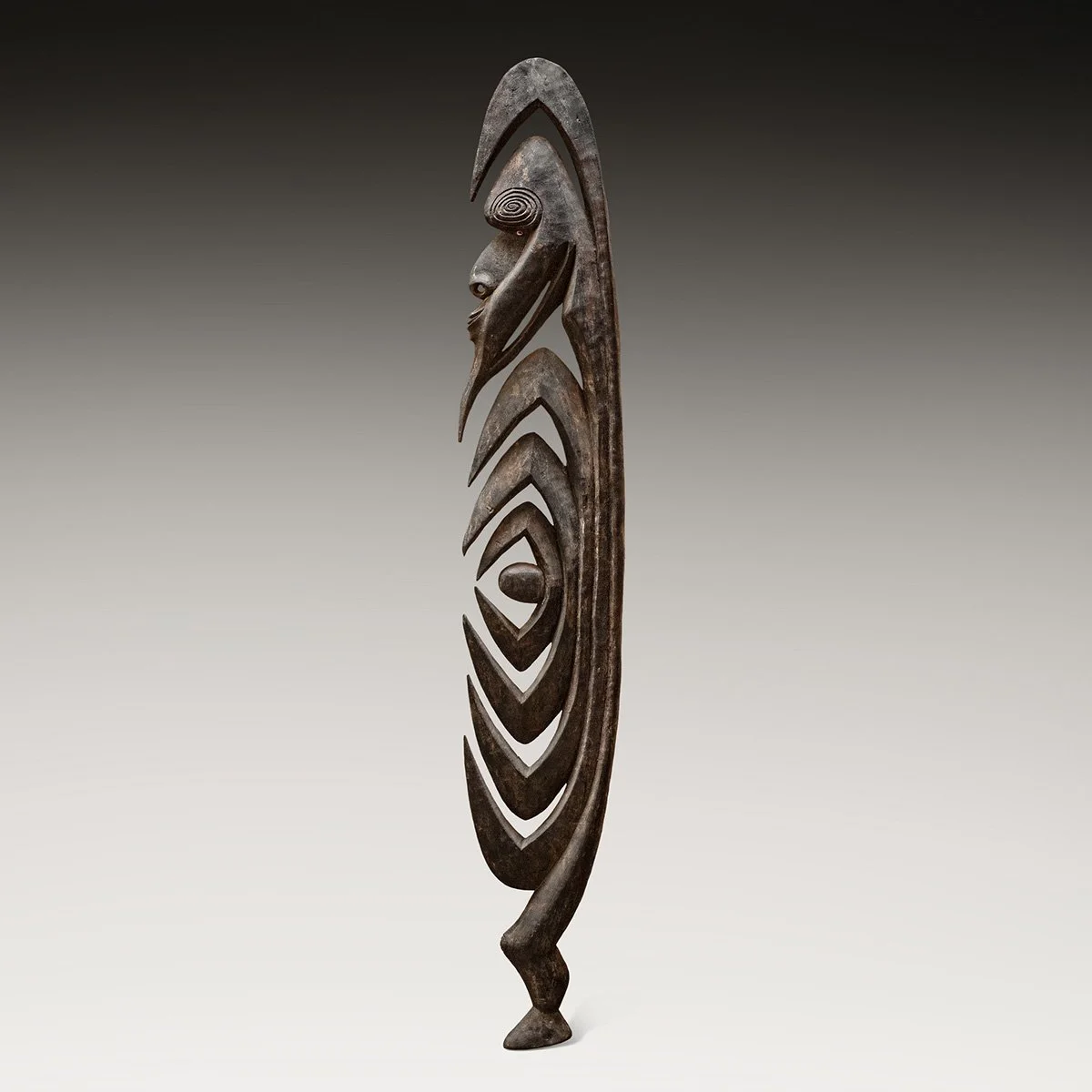 Image 1 of 6
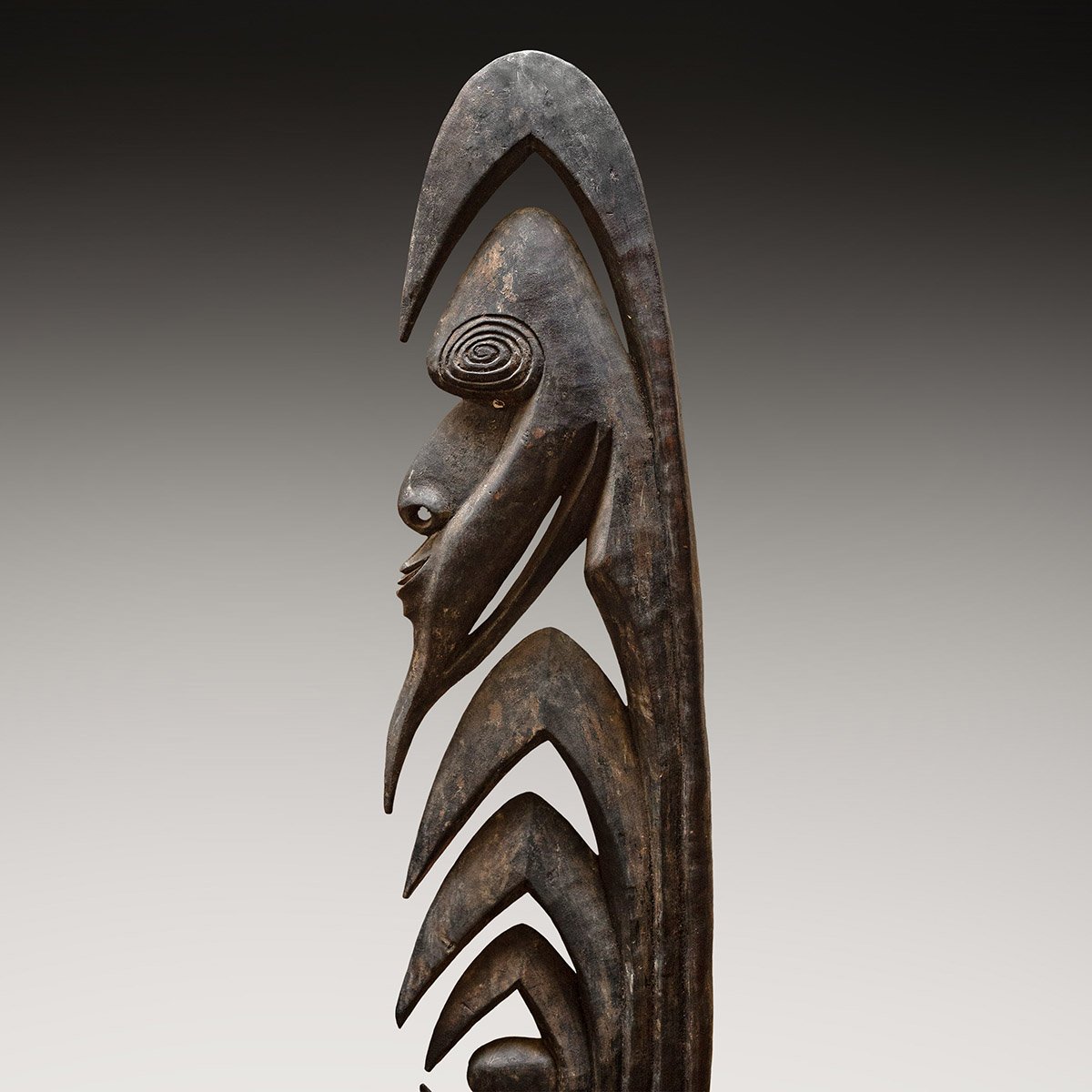 Image 2 of 6
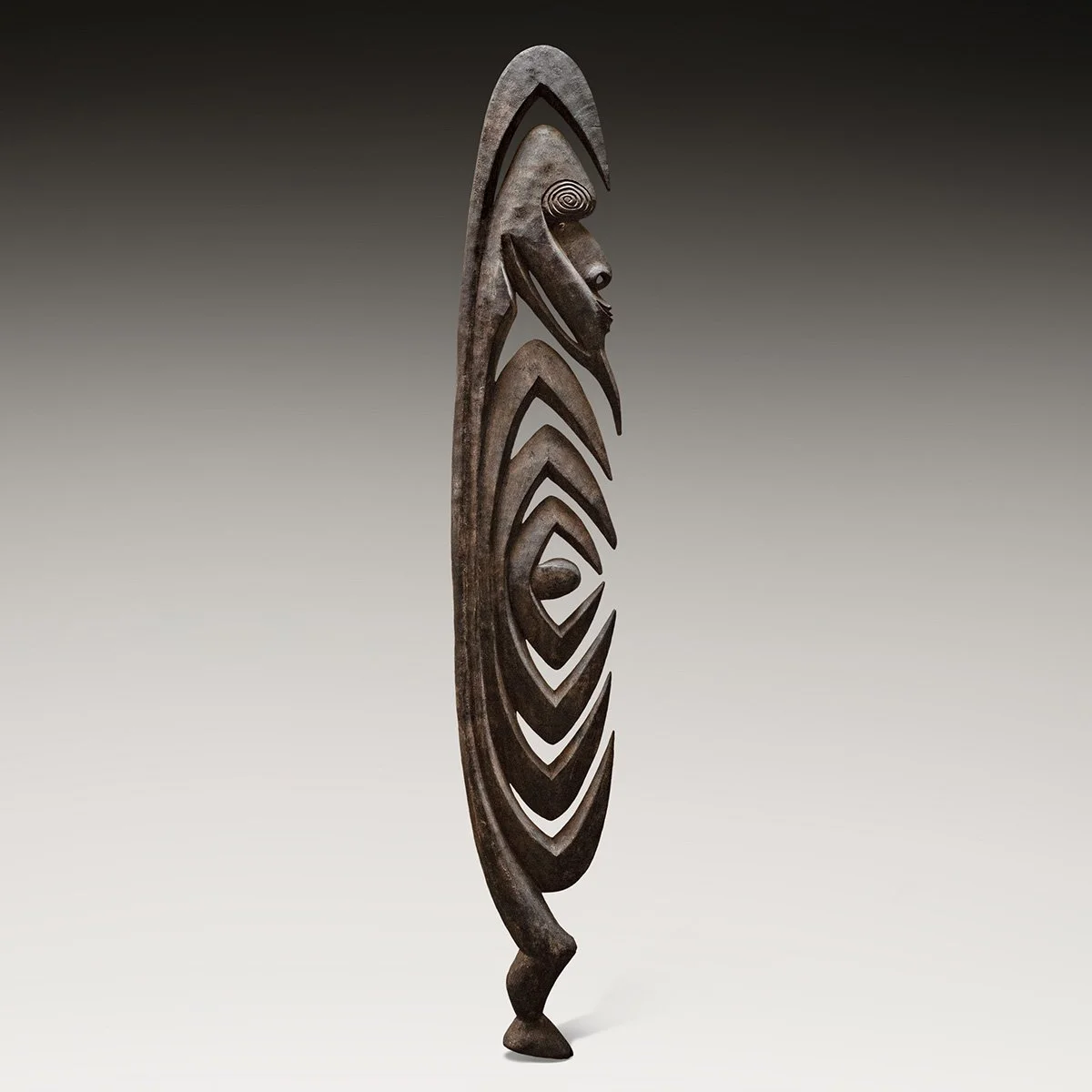 Image 3 of 6
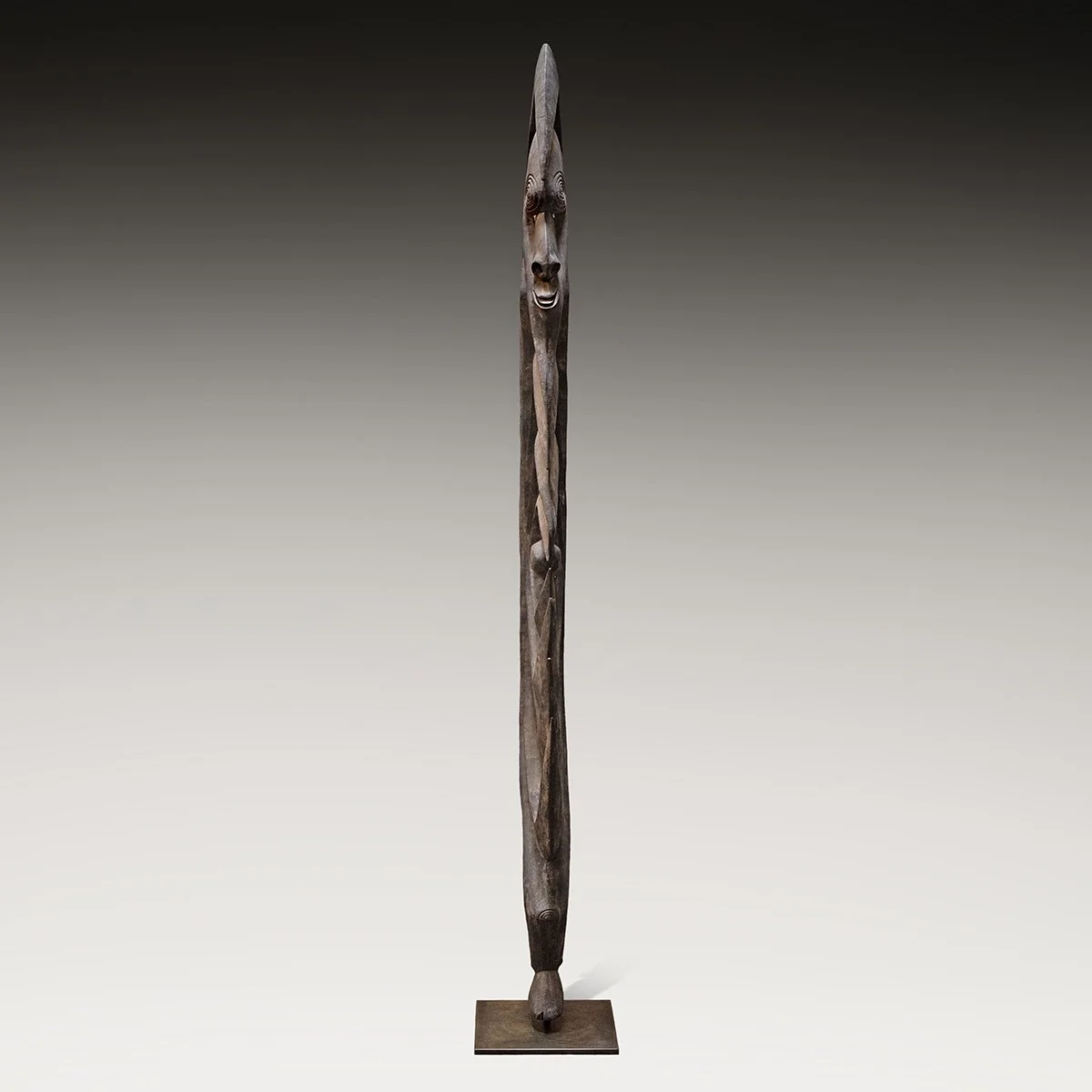 Image 4 of 6
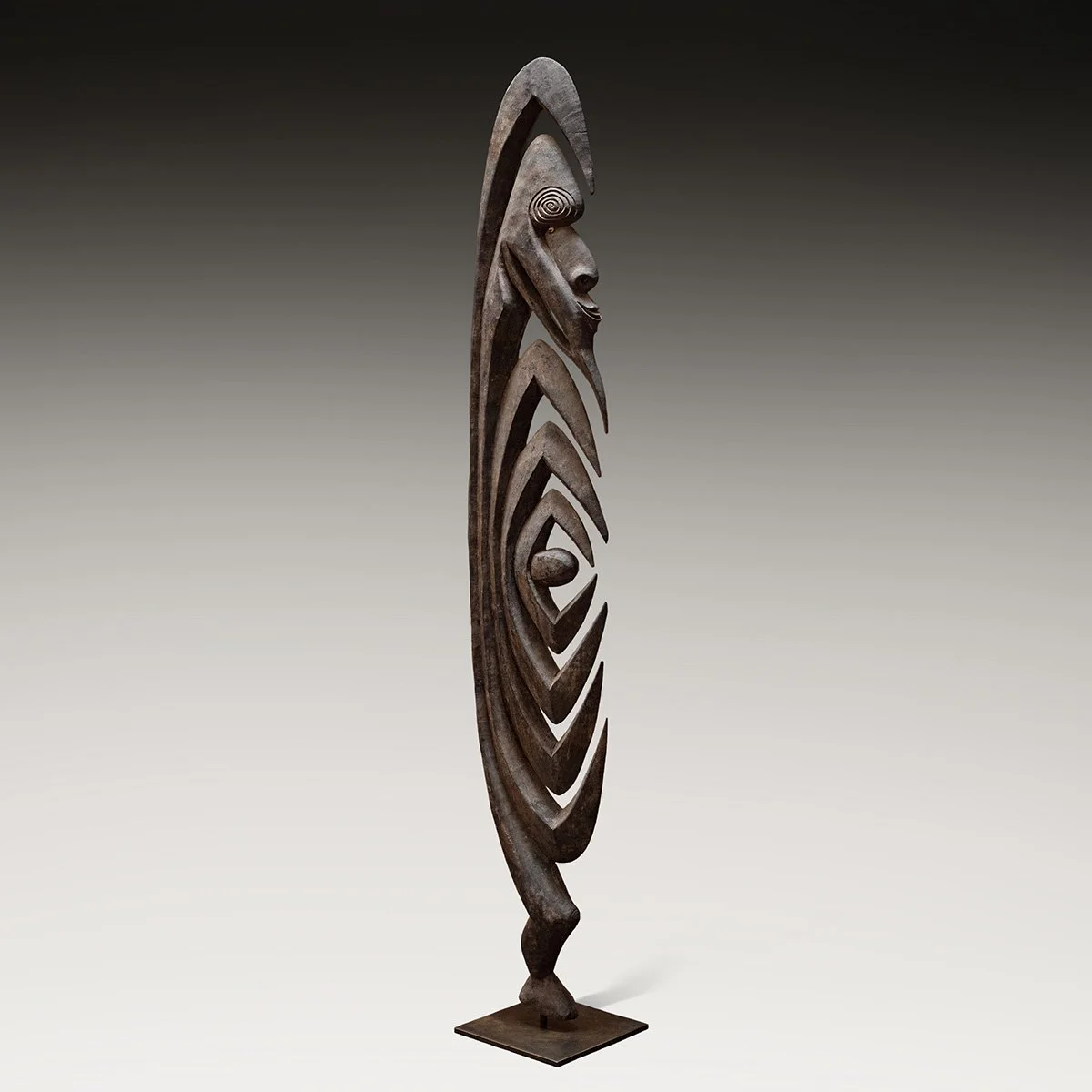 Image 5 of 6
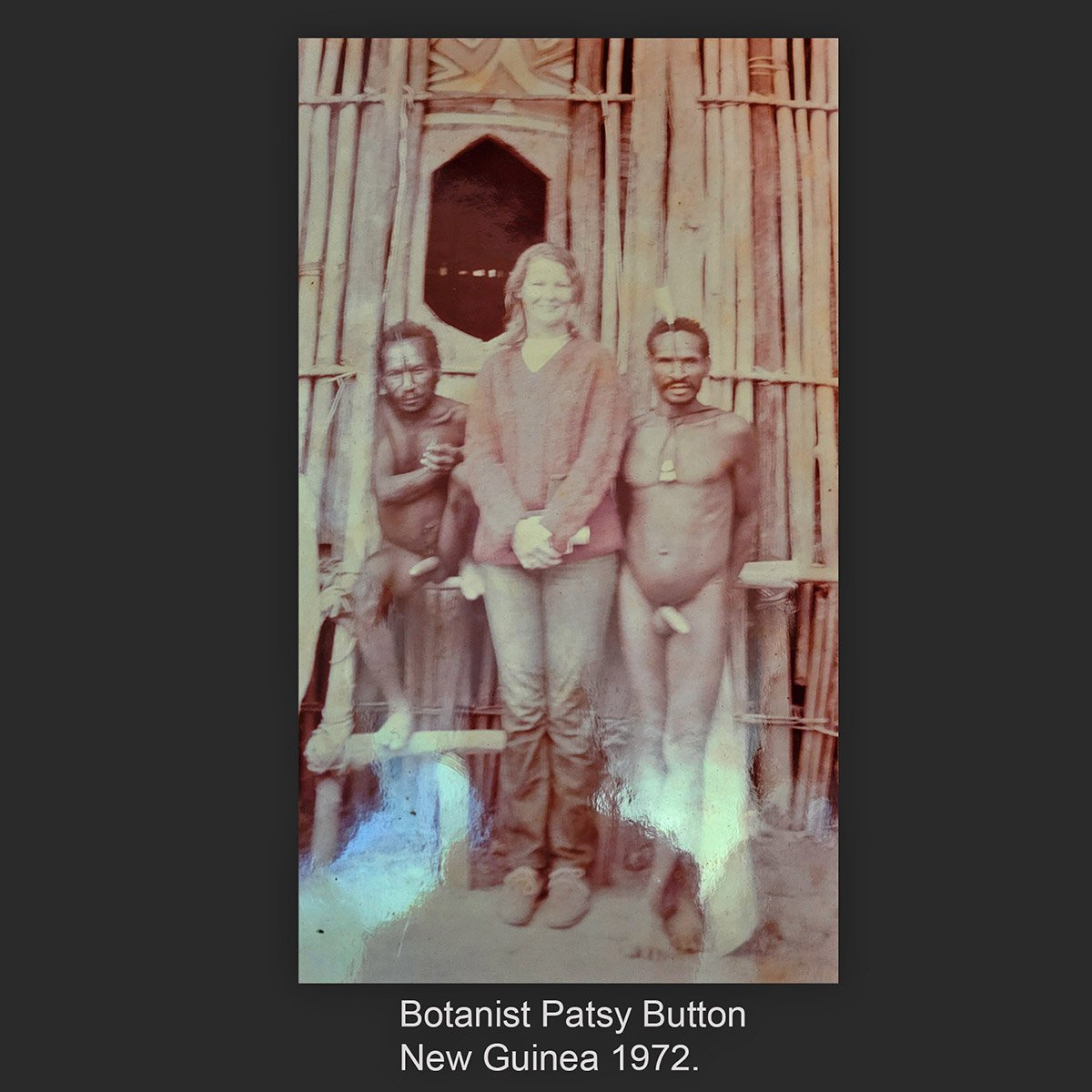 Image 6 of 6