Torres Strait Islands, Cape York Peninsula, Australia
Early 19th century
Hardwood
Length: 32 inches (81 cm)
Provenance: Jean-Edouard Carlier, Paris
Beautifully carved in the form of an elongated fish known locally as a gapu (echeneis naucrates), this remarkable hardwood club is possibly unique within the surviving corpus of Torres Islands art. A large suckerfish species related to the mackerel, the gapu fish featured prominently in local mythology, the Torres Strait natives reserving a great respect for the fish and believing it to possess ominous powers. At the time of anthropologist A.C Haddon’s Torres Strait Expedition in 1898, the gapu fish was a secondary totem in the westernmost islands, with the native inhabitants informing Haddon that the fish had at one time been the chief totem of a Torres Strait clan which had since become extinct.
The gapu also played a fascinating role in the traditional capture of smaller hawksbill sea turtles, illustrating the intimate knowledge and understanding the Torres Strait islanders held for the ecology of their surrounding marine world. During a turtle hunting expedition, several captive gapu fish, secured by a fine fiber cord through the gills, were kept swimming after the canoe until a sleeping turtle was spotted below. Then several of the gapu, with a strong cord secured around its tail, were thrown as near the sleeping turtle as possible. The gapu suckerfish would promptly swim to attach themselves to the turtle’s shell and the cords were then cautiously hauled in with the turtle in tow.
Haddon’s Torres Strait Expedition collected several carvings skillfully fashioned in light wood in the likeness of the gapu fish, which are now preserved at the Cambridge Museum of Archaeology and Anthropology. Those carvings were described by Haddon as dance ornaments – held in the hand or attached to a headdress in a dance ceremony. The beautiful hardwood gapu dance club presented here appears to be one of a kind and may well represent the sole surviving relic of the extinct Torres Strait clan described by Haddon.
INQUIRE HERE
Torres Strait Islands, Cape York Peninsula, Australia
Early 19th century
Hardwood
Length: 32 inches (81 cm)
Provenance: Jean-Edouard Carlier, Paris
Beautifully carved in the form of an elongated fish known locally as a gapu (echeneis naucrates), this remarkable hardwood club is possibly unique within the surviving corpus of Torres Islands art. A large suckerfish species related to the mackerel, the gapu fish featured prominently in local mythology, the Torres Strait natives reserving a great respect for the fish and believing it to possess ominous powers. At the time of anthropologist A.C Haddon’s Torres Strait Expedition in 1898, the gapu fish was a secondary totem in the westernmost islands, with the native inhabitants informing Haddon that the fish had at one time been the chief totem of a Torres Strait clan which had since become extinct.
The gapu also played a fascinating role in the traditional capture of smaller hawksbill sea turtles, illustrating the intimate knowledge and understanding the Torres Strait islanders held for the ecology of their surrounding marine world. During a turtle hunting expedition, several captive gapu fish, secured by a fine fiber cord through the gills, were kept swimming after the canoe until a sleeping turtle was spotted below. Then several of the gapu, with a strong cord secured around its tail, were thrown as near the sleeping turtle as possible. The gapu suckerfish would promptly swim to attach themselves to the turtle’s shell and the cords were then cautiously hauled in with the turtle in tow.
Haddon’s Torres Strait Expedition collected several carvings skillfully fashioned in light wood in the likeness of the gapu fish, which are now preserved at the Cambridge Museum of Archaeology and Anthropology. Those carvings were described by Haddon as dance ornaments – held in the hand or attached to a headdress in a dance ceremony. The beautiful hardwood gapu dance club presented here appears to be one of a kind and may well represent the sole surviving relic of the extinct Torres Strait clan described by Haddon.
INQUIRE HERE


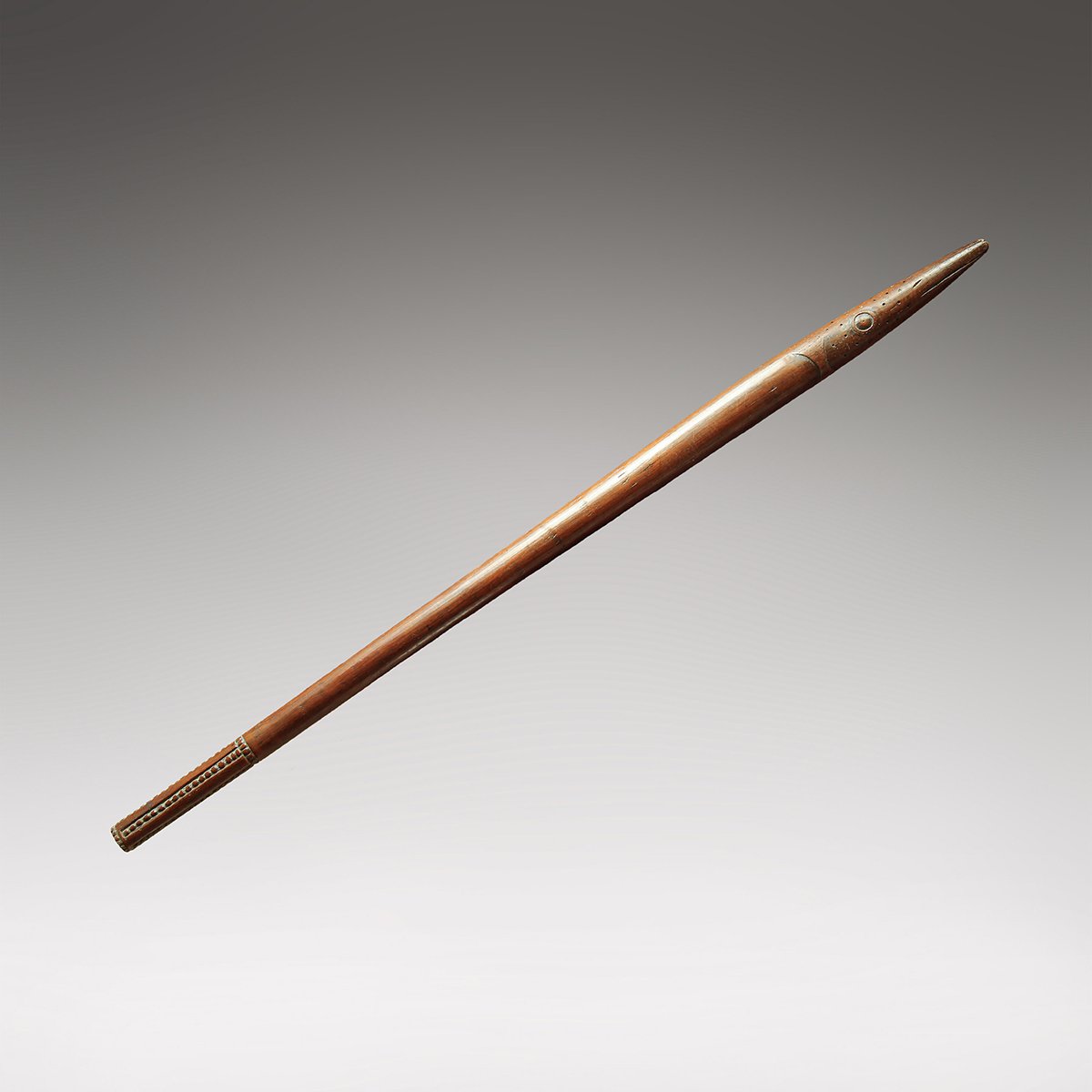 Image 1 of 9
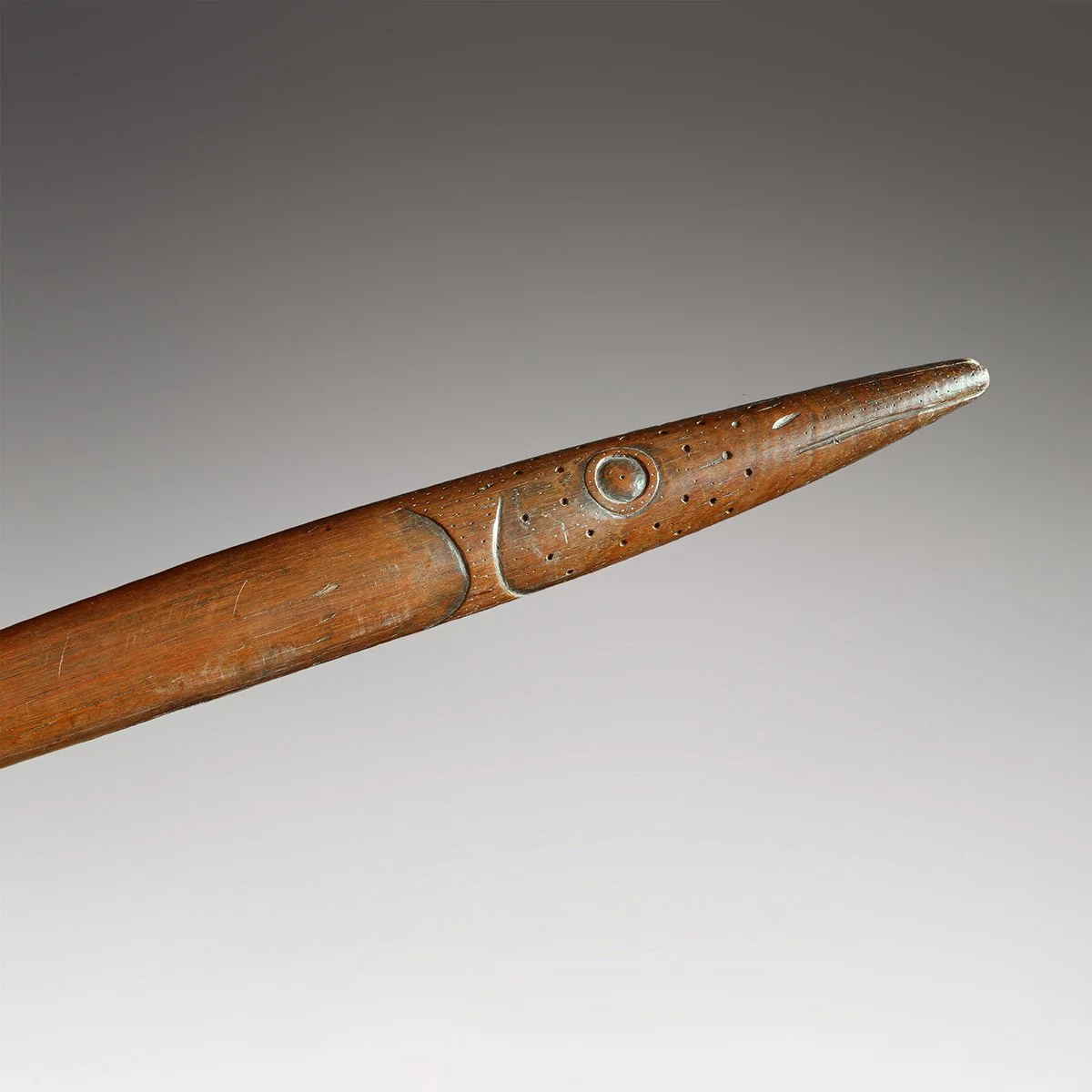 Image 2 of 9
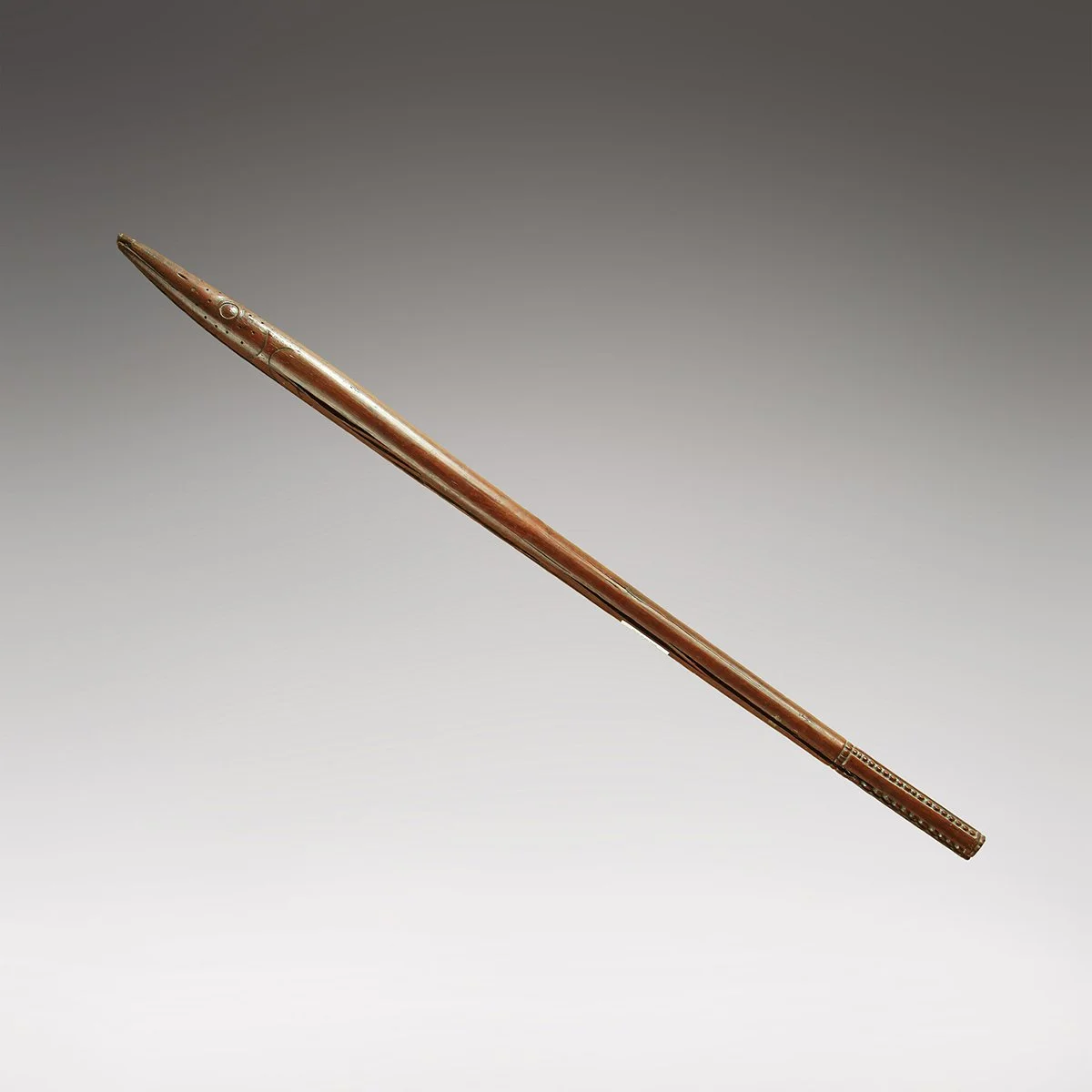 Image 3 of 9
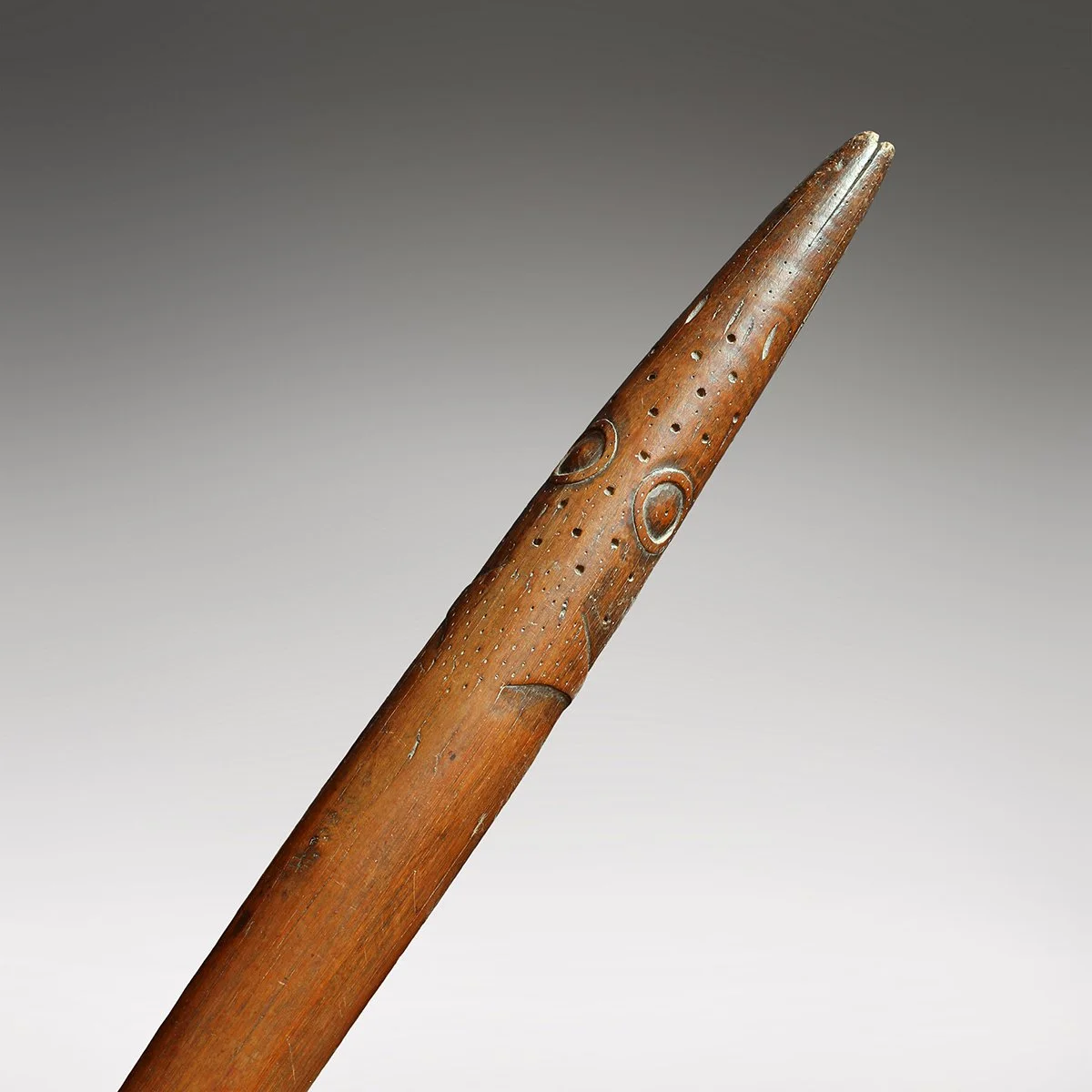 Image 4 of 9
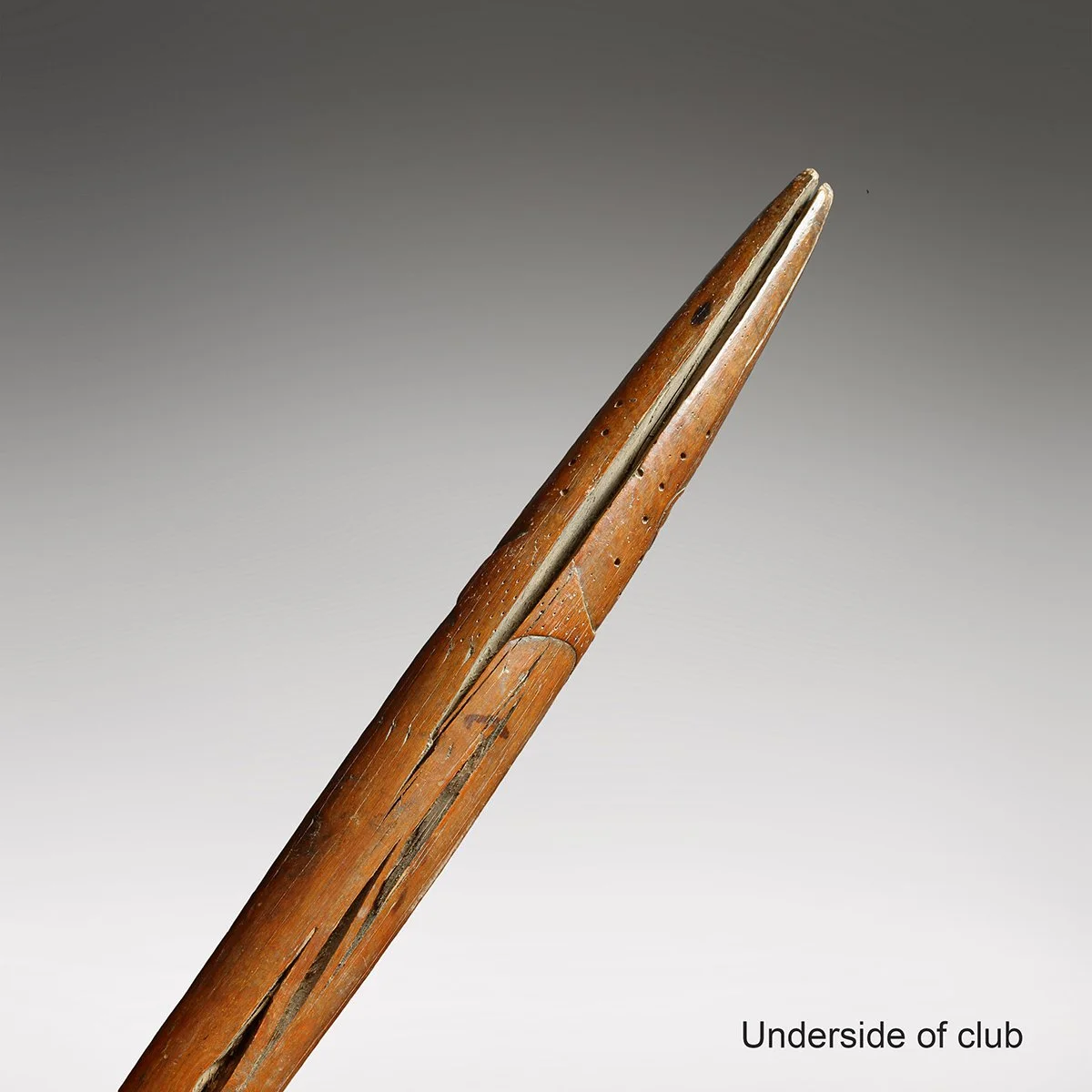 Image 5 of 9
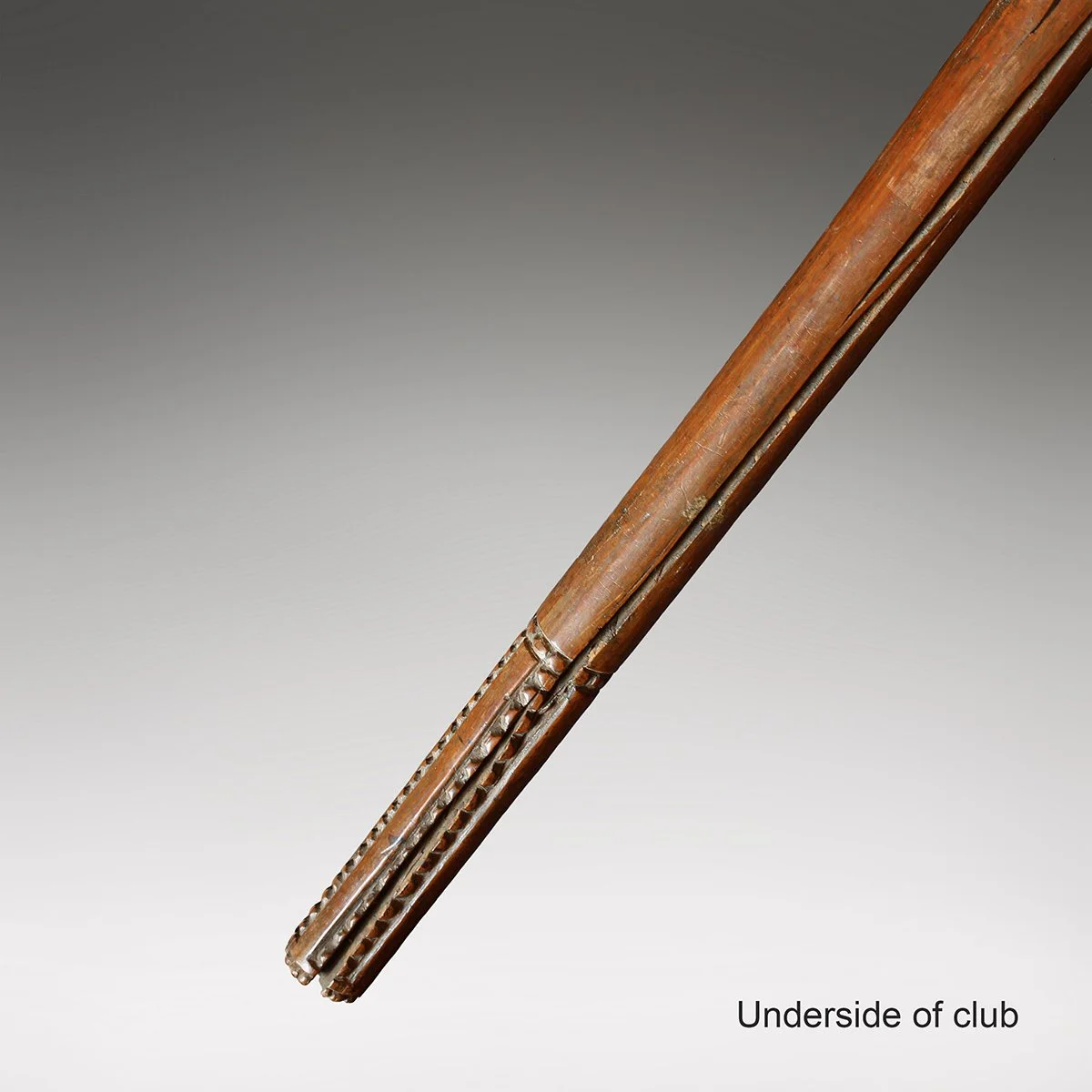 Image 6 of 9
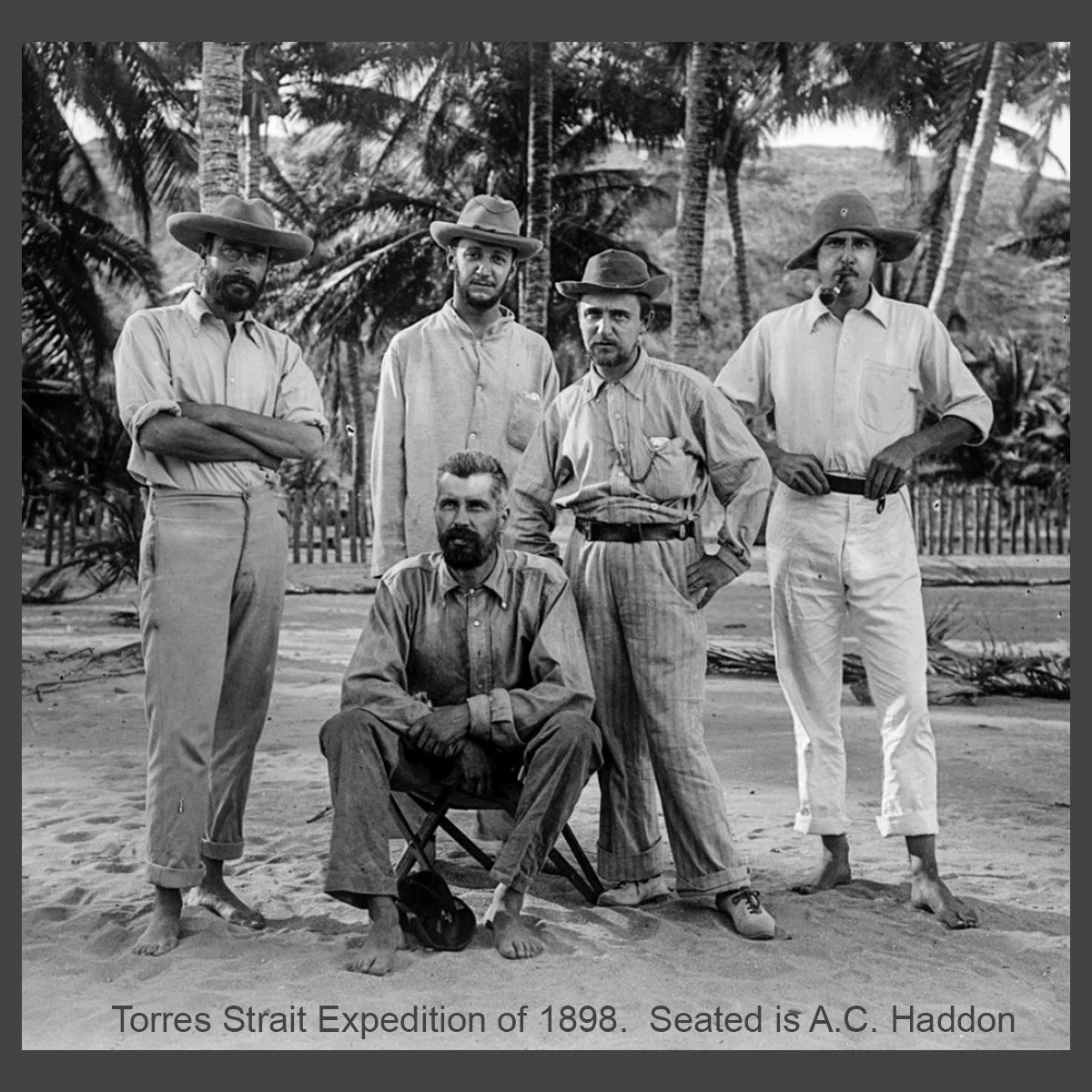 Image 7 of 9
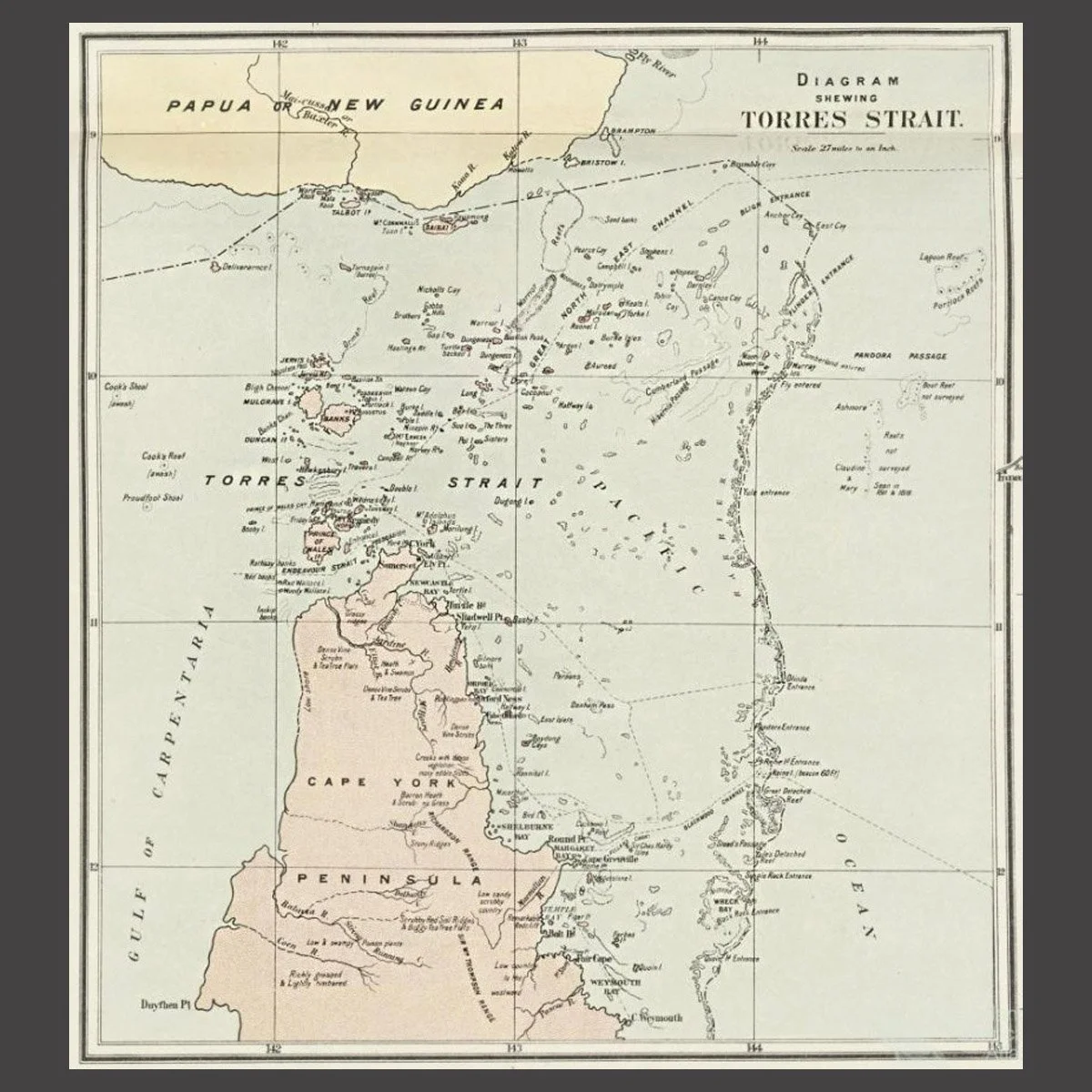 Image 8 of 9
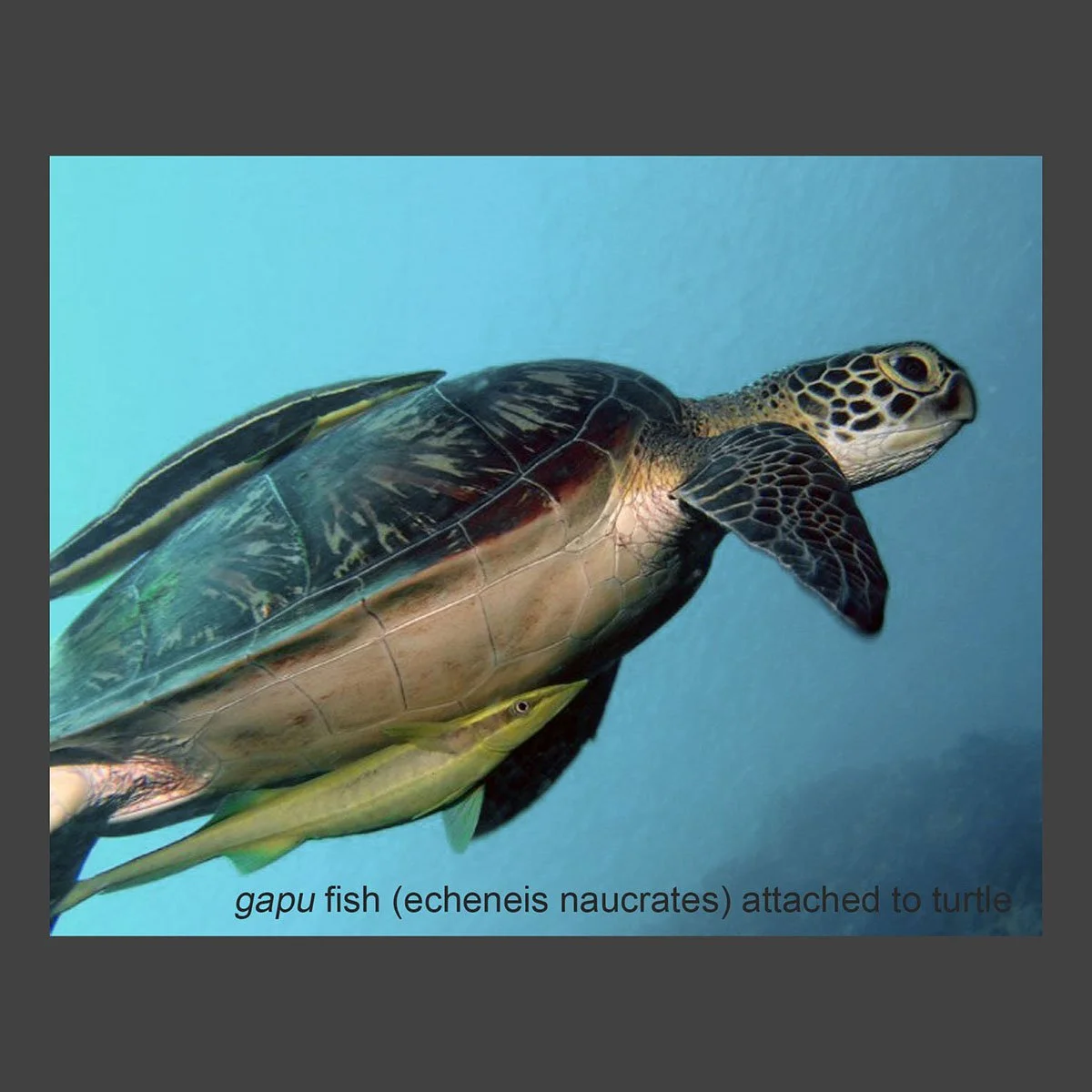 Image 9 of 9